
Companion Care
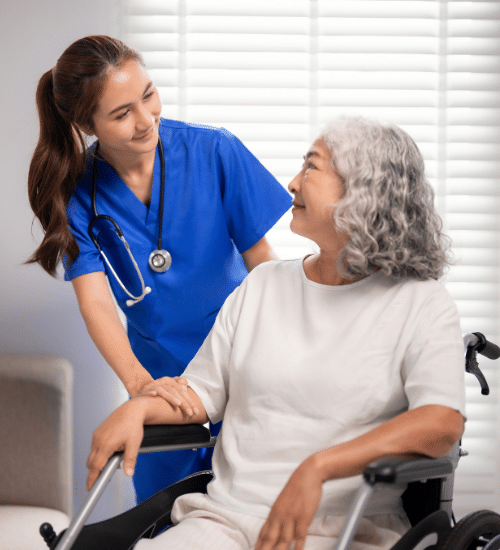
For someone who's mobile and independent but alone more than is good for them. Conversation, rides to appointments and errands, meals, and a reliable person in the house a few times a week.

Personal Care
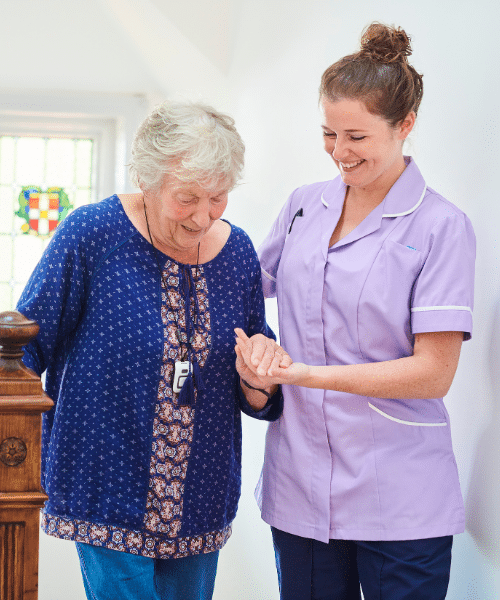
Hands-on help with bathing, dressing, toileting, and getting around safely handled quietly, by someone trained to do it without making it a moment.

Memory Care
In-home dementia and Alzheimer's care from caregivers trained in how the disease actually behaves routine, redirection, and safety, adjusted as things change.

24 Hour Home Care
Rotating teams of awake caregivers so there's never an unsupervised gap, day or night. For when someone can't safely be left alone.

Respite Care
Temporary coverage so the family caregiver can rest, work, travel, or see their own doctor. A few hours a week, an overnight, or a full week.
Seniors aging in place
people who want to stay in their own home and need some help to do it safely

Dementia and Alzheimer's
Wandering, sundowning, resistance to care, and the routine that keeps it manageable

Parkinson's
mobility, tremor, fall risk, and help with the tasks that get harder as it progresses

Stroke Recovery
One-sided weakness, transfers, and the daily routine while function returns

Post-surgical and hospital discharge
The first weeks home, when readmission risk is highest

Mobility limitations
Transfers, walker and wheelchair support, and making the home navigable

Chronic conditions
The daily management that keeps someone stable and out of the hospital
End-of-life comfort at home
Continuous presence alongside a hospice team

Call Us
Tell us what's happening. If you're calling from a hospital room or a rehab hallway, say so discharge situations move to the front of the line.

Free in-home assessment
We come to the home, meet your loved one, look at the space with fall risk in mind, and build a schedule around their actual routine. We'll be direct about what level of care the situation calls for.

Meet your caregiver
We match on care needs, personality, and language, and introduce the caregiver before the first shift so nobody is meeting a stranger cold.

Linda R.
Marcus T.
Diane P.
Helen S.

Screened, registered, and trained
Every caregiver is listed on the California Home Care Aide Registry and cleared through DOJ and FBI background checks.

Caregivers who speak your parent's language
We match on language and cultural fit, not just availability because a companion who can't hold a conversation with your mother isn't much of a companion.

Consistent teams, not a rotating cast
We build a small dedicated team around each client, so the same familiar faces come back. It matters everywhere and it matters enormously in dementia care.

We cover the call-outs
A caregiver calling in sick is our problem to solve, not yours.

Real supervision
A care manager builds the plan, checks in, and adjusts as things change.

No long-term contracts
Start when you need it, change it when things change, stop when you don't.