

Personal care (hands-on)
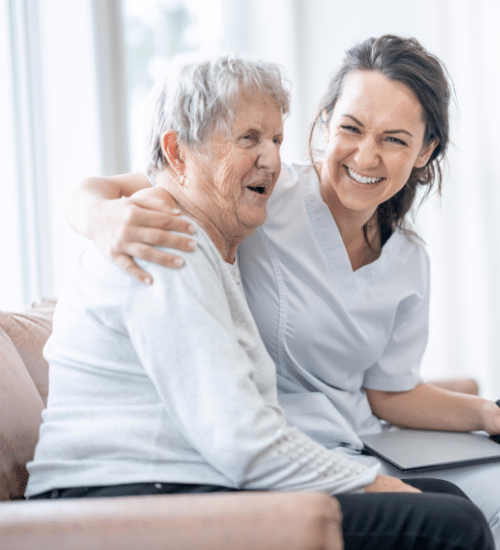
The caregiver physically assists. Helping in and out of the shower, washing hair, dressing, transferring from bed to wheelchair, managing incontinence, standing by during bathroom trips. This is the right service when there is a real physical or safety limitation.

Companion care (non-hands-on)
The caregiver is present, engaged, and useful: conversation, meal prep, errands, appointment rides, light housekeeping, reminders. Right for someone still steady on their feet who shouldn't be alone all day.

Bathing has stopped happening
A shower once a week, sponge baths only, or a flat refusal. Usually it's fear of falling, not stubbornness.

The same clothes, several days running
Dressing takes balance, shoulder range, and fine motor control. When it gets hard, people stop changing.

Bathroom Accidents
Incontinence is one of the top reasons families move a parent into a facility. It is also one of the most manageable at home with the right help.
Grooming has slipped
Uncut nails, unwashed hair, missed shaving, a new smell in the room. These are ability signals, not hygiene preferences.

Trouble getting up
Rocking forward three times to rise from a chair, pulling on furniture, needing a hand out of bed. Transfers have become a two-person job.
Weight loss or skipped meals
Cooking and eating both take effort. When either becomes hard, nutrition drops fast and everything else follows.
A recent fall, surgery, or hospital stay
Strength and confidence take weeks to come back. The first month home is when help matters most.
A spouse doing lifting they shouldn't
An 80-year-old husband helping his wife off the toilet is one bad day away from two injured people.


Call us
Tell us what's actually going on, including the parts that feel awkward. If you're calling from a hospital room or a rehab hallway, say so. Discharge situations move to the front of the line.

Free in-home assessment
We come to the home, meet your loved one, and walk the bathroom and bedroom with fall risk in mind. We build the schedule around their real routine and we'll be direct about the level of care the situation calls for, including if that's less than you expected.

Meet your caregiver
We match on care needs, personality, language, and gender preference, then introduce the caregiver before the first shift so nobody is meeting a stranger on a shower day. Care can usually begin within a few days, faster for urgent discharges.

Linda R.
Marcus T.
Diane P.
Helen S.

Registered, screened, and trained
Every caregiver is listed on the California Home Care Aide Registry and cleared through DOJ and FBI background checks.

Trained for hands-on care specifically
Safe transfers, bathing technique, incontinence care, and skin protection. Taught and supervised, not improvised.

Caregiver preference respected
Same-gender caregivers on request, and language matching where it matters. For bathing and toileting help this is often the difference between acceptance and refusal.

The same familiar face
We build a small, consistent team around each client instead of sending whoever is free.

We cover the call-outs
A caregiver calling in sick is our problem to solve, not yours. Coverage is guaranteed.

No long-term contracts
Start with a few hours a week, add more when things change, stop when you no longer need it.